
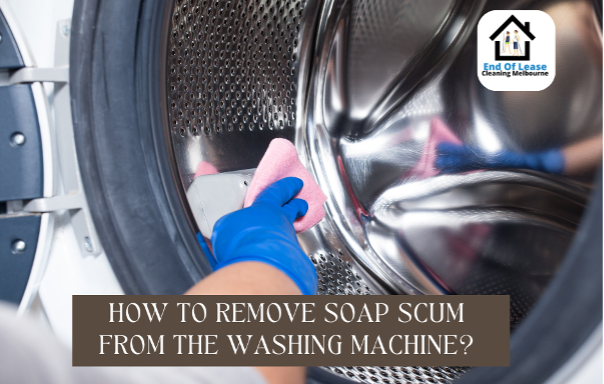
Soap scum is built up in high moisture and humidity available in the bathroom or kitchen. It looks dirty and unhealthy environment for the entire family. Soap scum is easy to remove with your small efforts and the correct product in your hands. Here are some techniques to remove soap scum from your property.
What is Soap scum?
Soap scum is also known as lime scum, soap deposit or water stains. There is a white chalky dust build-up on the property, mainly bathroom shower. Soap scum also shows up in the bathtubs, sinks or around the toilet, pantry sink cupboard, washing machines and other bathroom accessories. It looks like a limescale at first instance but soap scum is different than limescale. Limescale looks like an off-white chalky residue build-up due to complex water substances reacting with hot water mainly in hot water boilers or kettles.
Why does soap scum build up?
The hard water contains calcium, magnesium and other dissolved minerals. The shower may be left behind with dirty water, body oil and other substances. When soap reacts with the hard water substance and surrounding dirt builds white chalky stuff. Sometimes it shows a grey chalky residue.
Why should we remove Soap Scum?
- Soap scum spreads bacterial allergies related to the skin like irritations, redness and itch.
- It also escalates respiratory issues like asthma and other lung allergies.
- Soap scum increases bathroom fixture damage like discolouration, mould build-up, and grout issues. Also, it damages the drainage system
- By cleaning up soap scum, you can make your home environment safe and healthy for everyone.
- The bathroom shower looks clean and well-maintained.
Soap scum removal from the Bathroom:
Soap scum is easy to remove by using homemade recipes and handy cleaning items at home such as lemon, white vinegar, salt, dishwashing liquid, bicarbonate soda, essential oil, sponge, microfibre cloth and spray bottle. Here are some tips and steps to remove soap residue from the bathroom areas.
How to remove soap scum from the glass shower screen, bathtub, sink, shower accessories and tiled walls?
A shower screen and shower walls are the mainly affected areas where soap scum and mould build up the most. Use simple steps such as spray, scrub and rinse to remove soap residue from the shower screens and tiled areas. Put on your cleaning gloves and get ready for some action.
Spray: Prepare a solution in a spray bottle by using 50% vinegar and 50% water or 50% vinegar, 20% dishwashing liquid and 30% water. Spray a solution directly on a shower screen, shower accessories and shower tiled walls and leave them for 10-15 minutes to react with the soap residue.
Scrub: Use rubber scrubber gloves, sponge, scrubbing brush or electric scrubber to scrub the shower screen and walls. This is an important part of the process to remove soap scum and watermarks. Don’t use an abrasive scrubber on glass otherwise, you end up leaving scratches on the shower glass. Abrasive and hard scrubbers are good for the tiled walls and floor.
Rinse: Use a shower head to rinse the shower screen and walls well. Start cleaning from top to bottom and remove one by one wall to cover all areas from the shower.
Wipe: After, rinsing, use a squeeze to remove the extra water from the Shower screen and walls. At the end, use a dry microfiber clean cloth to wipe the shower screen and walls to absorb the extra moisture and dry the area faster. Keep your windows open to let the fresh air inside the bathroom.
Tips:
- Use a soft sponge on a glass and stone (marble) surface. Abrasive sponges are effective on a tiled area.
- Clean the bathroom shower every week to stay away from the soap scum and mould.
- Use a plastic bag filled with vinegar-water solution and soak the showerhead overnight to remove soap scum and dirt. It also solves water leakage due to soap scum or limescale deposits.
Clean the shower curtains and remove Soap scum:
If you have shower curtains in the bathroom then look for the chalky white deposit. Shower curtains are used to restrict the water splash. Soap scum can build up in the shower curtain over the time. If we ignore the soap deposit that leads to build up mould.
- Remove the plastic-based curtains from the hook carefully for a thorough cleaning.
- Use a large bucket filled with white vinegar and warm water. Soak the curtains in a bucket for 1-2 hours.
- Remove the curtains from the cleaning solution and rinse it well with the plain water.
- Dry the curtain under the shaded area.
- Clean the fabric shower curtains in a washing machine. Add 1 cup of vinegar or ¼ cup of lemon juice in a delicate laundry cycle. Dry it thoroughly under the sun.
Clean the soap scum from the washing machine:
The washing machine is another place where soap scum is buildup due to calcium and magnesium present in hard water that react with the laundry powder.
- Wipe the washing machine drum and surface with the clean dry microfiber cloth, that can absorb the extra moisture from the washing machine after each cycle.
- Clean the washing machine by using a dishwashing tablet, lemon, and vinegar. Complete a whole cycle to clean thoroughly.
- Washing machine water hose and powder drawer buildup soap scum. That comes in contact with the clothes. Take out detachable parts and clean thoroughly to remove soap scum once a month.
- Washing machine leaks buildup soap scum and mould due to water drops. Fix the leakage to eliminate soap scum.
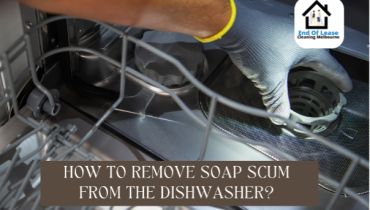
How to clean the dishwasher to prevent soap scum?
The dishwasher leaves some steam after each load, which leads to the soap scum and mould buildup.
- Use a dry and clean microfiber cloth to wipe down the dishwasher from the inside after each load.
- Clean the dishwasher by using multipurpose spray or vinegar-water solution to remove dirt and bacteria. Otherwise, you end up making your dishes dirtier and unhealthy.
- Take a slice of lemon and scrub the dishwasher’s inner surface to remove soap scum and dirt. Run a complete cycle to clean the dishwasher thoroughly.
- Mix vinegar and baking soda in a bowl, mix it well and clean the dishwasher by using a sponge for a deep clean.
Remove soap scum by using a homemade cleaning solution:
Homemade soap scum cleaning solutions are non-toxic, cheap, easily available and effective. Give it a try by yourself and see an amazing cleaning result.
Vinegar/ water:
Use a bowl to mix 50% white vinegar and 50% lukewarm water. Mix them and pour the solution into a spray bottle. This solution works well on soap scum and water residue. Vinegar will also remove bacteria and dirt from the surface. Follow scrub, rinse and wiping techniques to get a 100% result.
Vinegar/ lemon/ water:
Use a hot water in a bowl and add half lemon juice and half cup of white vinegar. Let it cool down for a couple of minutes before use. Use a spray bottle to pour this solution for ease of access. When the water is safe to touch then use a sponge to apply this solution on the shower, bathtub, sink or mirror to remove soap residue and leave it for 10-15 minutes. Rinse well and wipe the area with a clean cloth.
Vinegar/ Bi-carbonated soda:
Mix Vinegar and bicarbonate soda in a bowl and make a smooth paste. Apply this paste on shower areas by using a sponge and let it work for 10 minutes. Scrub the surface well with the sponge and rinse the area with the warm water to remove the soap scum.
Vinegar/ essential oil/ water:
In a spray bottle, add 50% white vinegar, 50% warm water and add 10-12 drops of essential oil of your favourite fragrance. Essential oil help to loosen up the soap scum, remove dirt and spread amazing fragrance to deal with the odour.
How to prevent soap scum from being buildup?
- Remove water drops from the shower screens and walls by using squeeze after shower use. This habit will slow down soap scum build-up.
- Use microfiber clean and dry cloth to dry shower accessories, sinks, taps and other areas to remove access water after use.
- Don’t forget to use an exhaust fan while using showers. The exhaust fan will remove the hot steam away and prevent suffocation. Keep the exhaust fan on after showers for 10-15 minutes, it will help to dry the extra moisture and prevent soap scum buildup.
- Keep your bathroom windows open during the aytime if possible to keep the area dry, remove odour, and stop mould and soap scum build-up.
- Instead of using soaps, using liquid body wash or shampoo can reduce soap scum buildup
How to remove or prevent soap scum at the office?
Most businesses hire a cleaning team to meet their regular cleaning requirements. If you run a small office-based business and are worried about soap scum then follow simple steps to remove them easily.
Keep the cleaning supply handy:
Have some cleaning supplies like dishwashing liquid, white vinegar, multi-purpose spray, glass cleaner, cleaning wipes, squeeze and microfiber cloth in the office closet.
Maintain the ventilation:
Install a proper air ventilation system to keep the office area clean and fresh. It also prevents suffocation or other health issues for the office team.
Cleaning hygiene rules:
Most people have a habit of basic cleanliness. However, others may avoid the simple steps. Make simple rules such as dirty dishes in a dishwasher, keeping the sink clean after use, wiping the table after use etc.
Hire a professional cleaner:
Office cleaners are expert at their work. They clean the toilets, kitchen and floors regularly to keep the dust, dirt and grime away from the premises. They wipe down the wet surfaces to keep the moisture away which causes soap scum.
Get rid of soap residue at the end of lease cleaning
Soap or chalky residue can easily be noticeable when you move your stuff at the end of lease. You can see them in a bathroom shower screen, sink, soap holders, bathroom accessories, bathroom benchtop, under the sink cupboard, laundry cupboard, curtains and windows. A landlord or real estate agent checks and compares shower photos before reeling your bond money. Hence, tenants are required to provide thoroughly cleaned property at the time of end of lease. Remove soap scum by using vinegar-water spray and microfiber cloth during end of lease cleaning by yourself.
A professional end of lease cleaning Melbourne offers a thorough move-out cleaning of the property. They cover all areas in the properties such as a bathroom, kitchen, toilet, windows and floors. End of lease cleaners are experts to clean small detailed areas to remove soap scum and mould from the property by using commercial soap scum removal or vinegar-water solution.